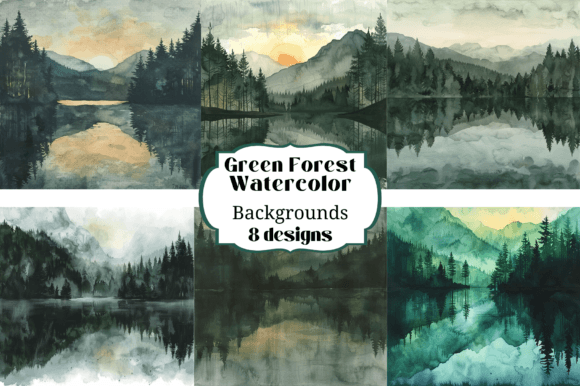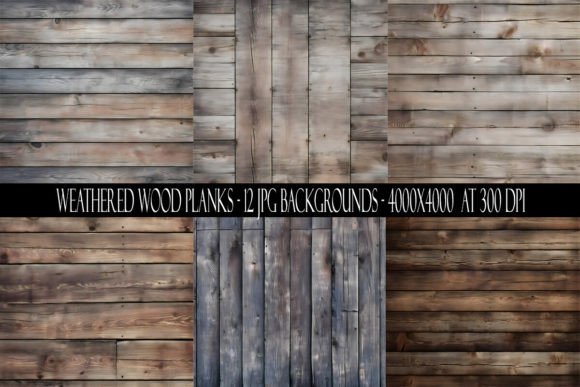
Embrace the Woodland Aesthetic: Old Forest Backgrounds
When you are working on a design project that requires a touch of nature, organic elegance, or a moody, atmospheric vibe, the visual assets you choose are just as critical as the typography you pair them with. Finding high-quality design assets that actually scale for both digital and print can be a challenge. This is where the Old Forest Backgrounds collection comes into play. It is not just a set of images; it is a toolkit for creating immersive environments for your brand identity, packaging design, and social media graphics.
The Visual Character of the Old Forest Collection
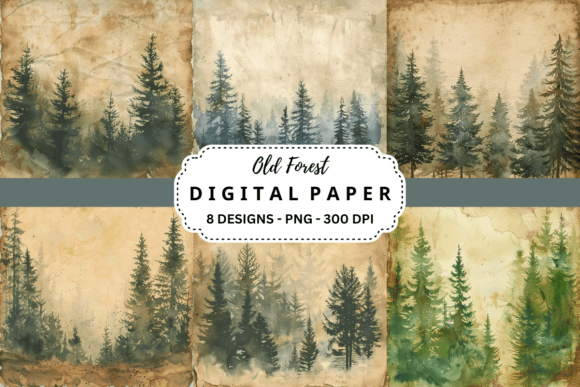
At its core, this collection consists of eight individual PNG files, each rendered at a massive 3600 x 3600 pixels and a crisp 300 DPI. If you have ever struggled with pixelation when printing posters or banners, those specifications should immediately put your mind at ease. The visual personality of these backgrounds leans heavily into the "dark academia" and rustic aesthetics that are currently dominating modern typography and design trends. You can expect rich textures, deep greens, browns, and the intricate details of bark, moss, and foliage.
Unlike flat, generic stock photos, these images offer depth. They provide a layered look that mimics the complexity of a real forest. This makes them incredibly versatile as a backdrop for logo design or editorial design. Whether you are looking for a moody texture for a book cover or a lush greenery pattern for a wellness brand, the Old Forest Backgrounds provide a professional foundation. They act as a silent partner to your main content, enhancing the visual hierarchy without overpowering the text.
Strategic Applications for Creatives and Businesses
Understanding how to deploy these assets effectively is where the real value lies. For print on demand design projects, these backgrounds are gold. Because the resolution is high, you can use them for wrapping paper, printing labels, or scrapbooking without worrying about quality loss. Imagine a stationery line featuring these textures; it immediately elevates the product from "homemade" to "boutique."
For social media graphics and web design, consistency is key. Using a cohesive set of backgrounds helps in building a recognizable brand identity. You could use one specific texture from the set for your Instagram stories and another for your website headers. This creates a unified look that makes your content feel polished. If you are a blogger or a content creator, these backgrounds serve as excellent photo overlays. By blending a photo of yourself or a product with an Old Forest texture, you create a unique artistic style that stands out in a crowded feed.
Furthermore, consider the world of packaging design and invitations. If you are a small business owner selling artisanal goods—perhaps coffee, tea, or handmade soaps—these backgrounds evoke a sense of authenticity and earthiness. The visual cues of the forest suggest natural ingredients and care, which influences brand perception before the customer even reads the label.
Integrating Texture with Typography
A background is only as good as the text that sits on top of it. When working with textured assets like the Old Forest collection, your choice of typeface matters immensely. Because these backgrounds are detailed, you generally want to avoid using a script font or a highly complex handwritten font for large blocks of text, as the visual noise can make it unreadable.
Instead, consider pairing these rich backgrounds with clean sans serif fonts or bold display fonts. A sans serif font offers a modern, minimalist contrast to the organic, chaotic nature of the forest, ensuring readability. Conversely, if you are going for a vintage or classic look, a strong serif font with high contrast can work beautifully, provided you use a solid color block or a slight overlay to separate the text from the image.
When designing for poster & banner design, use the negative space within the images. Look for the darker patches in the Old Forest Backgrounds to place your white or light-colored text. This natural visual hierarchy guides the viewer's eye exactly where you want it to go. Testing different font pairings is crucial here; try setting your headlines in a heavy weight and your body copy in a lighter weight to see how it interacts with the texture.
Practical Workflow and Licensing Tips
Before you dive into a project, it is helpful to evaluate the fit of the asset. Since these are PNG files with transparent or distinct edges (depending on the specific file), they are ready to use in almost any design software, from Adobe Photoshop to Canva.
Here are a few practical tips for getting the most out of this collection:
- Check the License: Always verify the commercial font and asset licensing. Since these are intended for print on demand and commercial projects, ensure you have the rights to sell the final product if you are using the background as a primary design element.
- Color Grading: Don't be afraid to adjust the hue and saturation. While the natural green and brown are beautiful, shifting the color palette to blue can create a winter vibe, or shifting to sepia can enhance a vintage feel.
- Layering: Use blend modes in your editing software. "Multiply" or "Overlay" can blend these forest textures into other images or solid colors to create entirely new design assets.
- Cropping for Focus: Since the images are 3600x3600, you have plenty of room to crop. You don't need to use the whole image; sometimes, a tight crop of a specific texture works best for a business card or a social media avatar.
Ultimately, the Old Forest Backgrounds collection is about versatility. It bridges the gap between high-end creative font