Timeless Textures: Using Shabby Frame Backgrounds
There is a specific kind of visual storytelling that doesn't rely on bold colors or aggressive geometry, but rather on the quiet whisper of history. If you are a designer, content creator, or small business owner looking to evoke nostalgia, authenticity, and warmth, you know that finding the right texture is half the battle. This is where the Vintage Old Shabby Frame Backgrounds collection steps in. It is not just a set of images; it is a toolkit for creating an atmosphere that feels lived-in, loved, and deeply authentic.
The Visual Language of Decay and Elegance
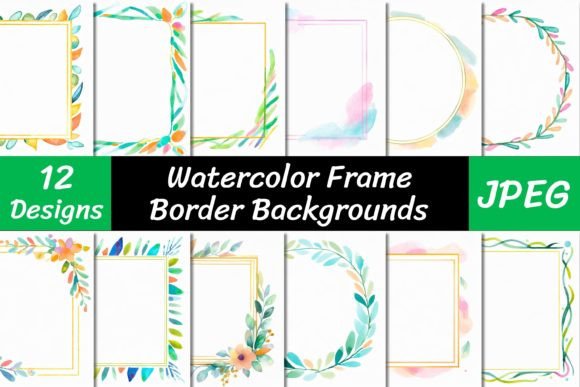
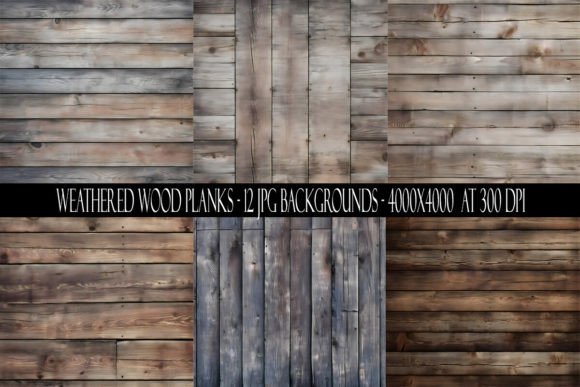
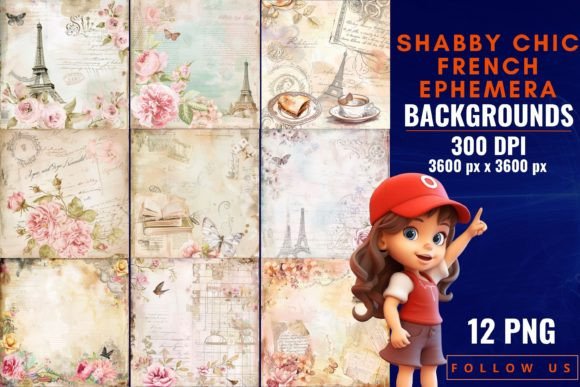
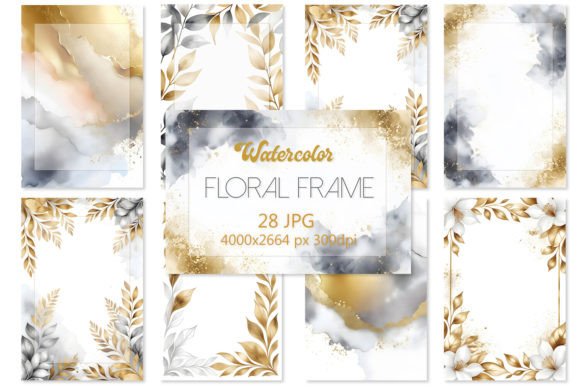
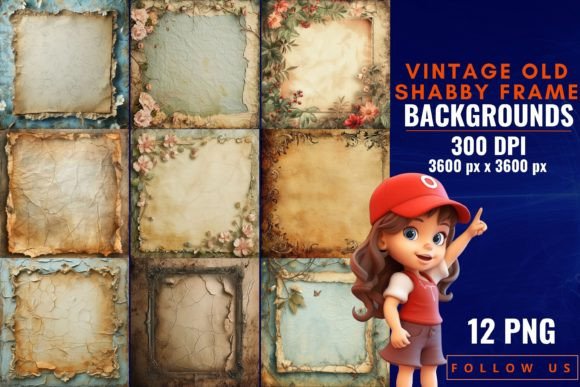
When we talk about "shabby elegance" or "vintage" aesthetics, we aren't simply talking about things that look old. There is a distinct difference between neglect and patina. The Vintage Old Shabby Frame Backgrounds collection captures the latter. These 12 designs are curated to highlight the beauty in imperfection. You will find intricate details of peeling paint, distressed wood grains, and the subtle cracking of gilded plaster that suggests a rich history.
The personality of these backgrounds is one of sophistication mixed with approachability. Unlike a sterile, modern digital interface, these textures have a tactile quality. They feel like design assets that have a story to tell. The visual characteristics are defined by muted tones, soft edges, and a lack of harsh contrast, making them incredibly versatile as a backdrop. They provide that "aged feel" without becoming muddy or difficult to read against.
Strategic Applications for Modern Creators
While these backgrounds are rooted in the past, their application is entirely modern. As a creative professional, understanding where to deploy these textures is key to their effectiveness. They are not just for scrapbooking; they are powerful tools for brand identity and editorial design.
Consider the world of packaging design. If you are a boutique soap maker, a candle brand, or a artisan baker, your packaging needs to communicate "handmade" and "quality" before the customer even touches the product. Using a shabby frame texture as a background for your product label or hang-tag instantly signals a connection to traditional craftsmanship. It elevates a simple product into a premium offering.
In the digital realm, these backgrounds are a cure for the "cold web" syndrome. Web design and social media graphics often suffer from being too clean, too corporate, or too generic. By incorporating a subtle vintage frame texture behind a testimonial or a "Meet the Team" section, you humanize your digital presence. For bloggers and publishers, these textures serve as perfect creative backgrounds for pull quotes or chapter dividers, breaking up the monotony of standard text blocks and improving the reader's visual journey.
Enhancing Visual Hierarchy and Readability
A common hesitation with textured backgrounds is the fear of compromising readability. However, when used correctly, the Vintage Old Shabby Frame Backgrounds actually enhance visual hierarchy. Because these backgrounds feature frames and borders, they naturally draw the eye inward. They create a focal point where you can place your text or imagery.
The key to maintaining professionalism is contrast. These backgrounds work best when paired with clean typography. You don’t want to use a distressed script font or a busy handwritten font on top of a busy texture. Instead, think about font pairing. Place a clean, sans-serif font—like a modern sans serif font—over a distressed gold frame. The juxtaposition of the modern typography against the antique background creates a striking tension that looks expensive and intentional. This contrast ensures your message is legible while the background sets the emotional tone.
Choosing and Integrating the Right Assets
When selecting these backgrounds for your projects, look beyond just the color palette. Look at the "grain" of the texture. Does it match the era you are trying to evoke? A heavily distressed, rustic wood frame suits a farmhouse brand, while a cracked, ornate plaster frame suits a luxury or high-fashion aesthetic.
For logo design presentations or pitch decks, using these backgrounds can help contextualize your work. If you are pitching a rebrand for a heritage company, showing their new logo against a vintage frame texture helps the client visualize the "soul" of the brand. It is a strategic move that shows you understand the emotional weight of their business.
Furthermore, if you are a content creator, think about using these as overlays. In video editing or digital art, layering a shabby frame over a video clip can create a "window to the past" effect, perfect for intro sequences or transitions. The versatility of these design assets means they can be cropped, rotated, and color-adjusted to fit almost any composition without losing their core character.
Elevating Your Aesthetic
Ultimately, the goal of using the Vintage Old Shabby Frame Backgrounds is to inject a sense of soul into your work. In a marketplace saturated with generic stock photography and flat design, these textures offer a way to stand out. They provide a visual shorthand for quality, history, and care.
Whether you are a marketer looking to create a high-converting landing page with a "classic" feel, a hobbyist making personalized gifts, or a designer